

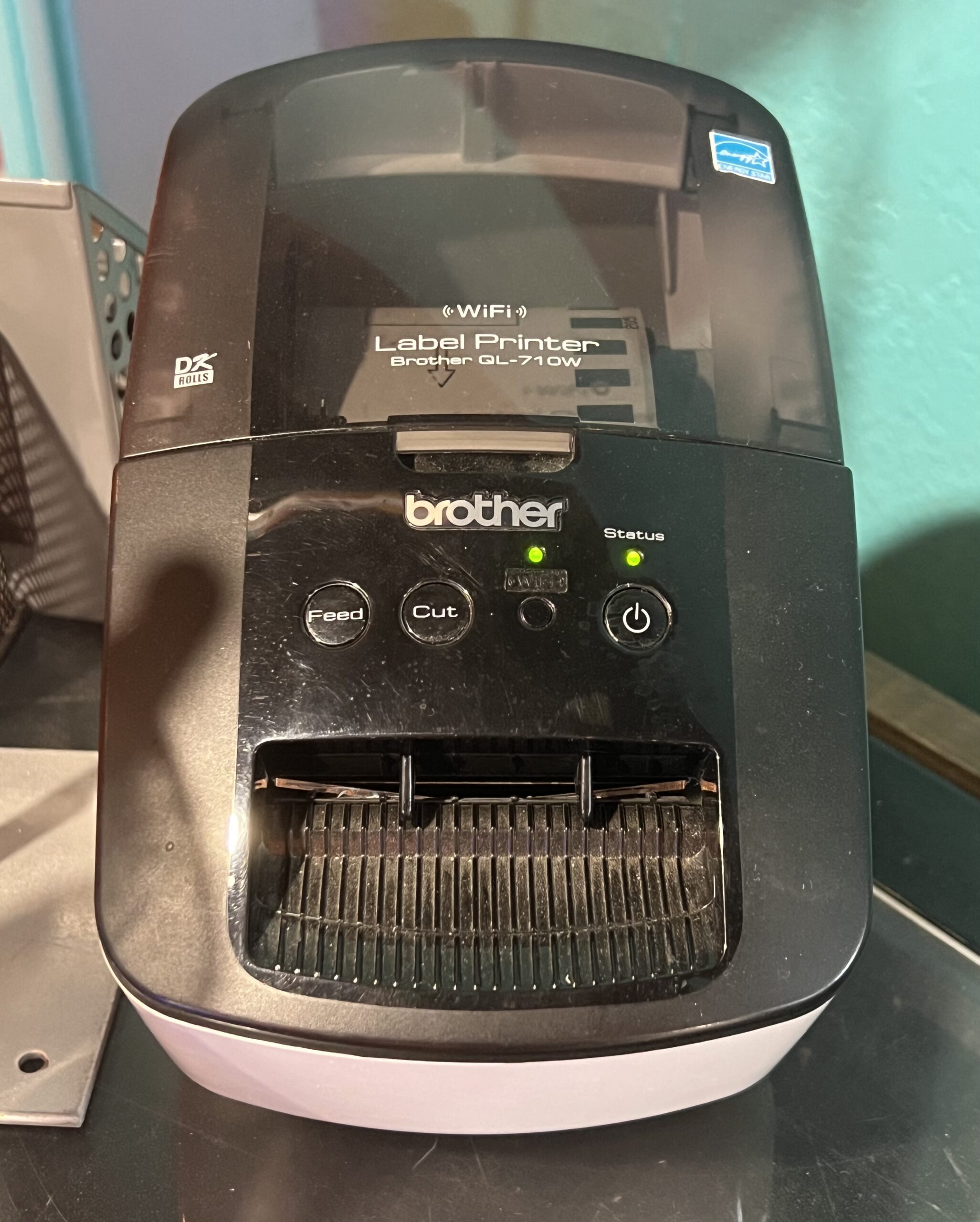
Linerless labels remove the disposable release liner from the roll. That changes more than the waste stream: adhesive behavior, release coating, facestock, printer settings, and cutting method must work as one construction.
Direct answer
Buyers should treat a linerless label as an equipment-specific construction, not as a direct replacement for any linered label. Confirm the printer, substrate, temperature range, label shape, adhesive balance, and waste route before approving a trial. A FINAT industry seminar report notes that linerless formats can suit selected markets but may face shape limitations, while dispensing performance depends on the relationship between the adhesive formulation and release system.
Why the construction needs closer control
A conventional pressure-sensitive label sits on a release liner until it is dispensed. A linerless roll has no separate carrier, so clean unwinding and application depend on the coated construction and the printer or dispenser. If adhesion is too aggressive, the roll may block or misfeed. If the release balance is too light, labels may shift during handling.
These risks make the equipment model, roll format, print speed, and cutting method part of the material brief. Settings that run well at one site may not transfer to a different printer or application line. The buyer should approve the label, adhesive, and hardware together rather than evaluating a loose label sample on its own.
Start with the actual end use
A parcel dispatch label, a foodservice ticket, and a variable-information label exposed to cold storage do not share the same operating window. Define the surface, application temperature, storage conditions, service temperature, expected dwell time, and label dimensions before asking for samples.
Hot-melt pressure-sensitive adhesives are used in selected label and tape constructions because they are coated in molten form and do not require a water or solvent drying stage. Performance still depends on the full formula. For an SIS-based discussion, buyers should describe the required tack, peel, cohesion, blocking resistance, and converting behavior rather than asking for the strongest grade.
Waste claims need a real collection route
Removing the liner can reduce one waste stream, but that does not prove a complete environmental benefit by itself. Roll length, rejected labels, printer consumables, transport, and local waste handling still affect the result. Where a conventional liner remains in use, CELAB Europe states that used release liner and matrix material can be collected for recycling or repurposing through suitable value-chain programs.
A useful comparison records the amount of material used per applied label, the frequency of roll changes, line interruptions, rejected labels, and the actual destination of the waste. If a site has no collection route, say so in the assessment instead of treating recyclability as the same thing as recycling.
Buyer checklist
Before changing to linerless labels, confirm these points with the converter or adhesive supplier.
FAQ
Related Jusage pages
Use these pages to move from industry reading into SIS grade direction, application context, technical files, or inquiry.