

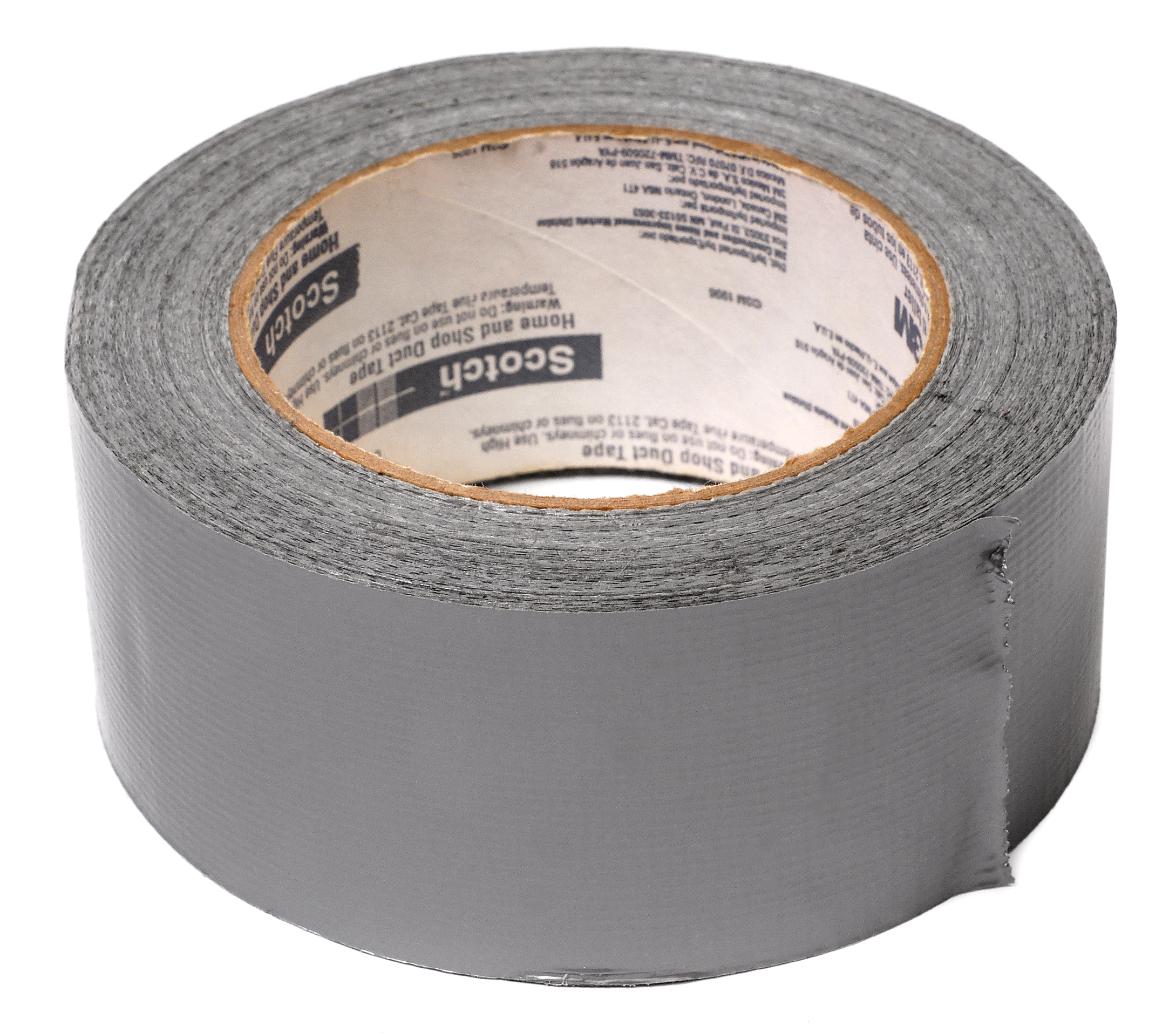
Pressure-sensitive tape buyers in 2026 are asking for more than basic adhesion. A useful technical discussion now connects peel, tack, shear, substrate conditions, application process, storage, and product carbon footprint data before a tape or hot-melt PSA grade is approved.
Direct answer for buyers
Buyers should ask for test methods, substrate details, peel adhesion, tack, shear or holding power, dwell time, application pressure, service temperature, storage conditions, and any product carbon footprint data needed by the customer. Test numbers are useful only when the method and test construction match the real tape application.
Why tape qualification is becoming more data-driven
Pressure-sensitive tape qualification used to focus mainly on whether the tape stuck well enough during production. In 2026, overseas buyers are more often asking for a clearer data package: performance test method, application conditions, raw material direction, and sustainability data where required by customer reporting.
Afera says its 2025 Test Methods Manual includes current test methods, a glossary, and a comparative table that maps Afera methods to CEN, ISO, and PSTC methods. The same Afera page also notes work on revised peel adhesion and test-method development that reflects sustainability and upcoming regulation.
In North America, PSTC describes its test methods as standard laboratory procedures for quality control of PSA tape testing and for measuring tape performance characteristics. For buyers, the practical point is not to demand a random “high adhesion” value, but to ask which method produced the value.
Definition: pressure-sensitive tape
PSTC defines PSA tape as a flexible strip of cloth, paper, metal, or plastic coated on one or both sides with a permanently tacky adhesive at room temperature that adheres to surfaces with light pressure. PSTC also notes that PSA systems may use natural or synthetic rubber and resin, acrylic, silicone, or other polymer systems.
That definition matters for SIS-based hot-melt PSA discussions because the adhesive does not perform alone. Backing, adhesive chemistry, coating thickness, liner, surface energy, application pressure, and service environment all affect the result.
Buyer checklist for PSA tape and label adhesive projects
Application conditions can explain test gaps
Afera’s tape-selection guidance highlights substrate type, load conditions, environmental factors, surface preparation, pressure, dwell time, storage temperature, humidity, and UV exposure. These factors are often why a tape that looks acceptable in a data sheet does not behave the same way on a customer’s line.
For example, a PSA tape may wet out well on a clean, high-surface-energy laboratory panel but perform differently on coated paperboard, dusty cartons, low-temperature packaging lines, flexible films, or plastic substrates. The useful buyer question is therefore: “Can we test the adhesive construction under our application conditions?”
PCF data is joining the technical file
Performance data is not the only request changing. Afera says TACK, the Tape and Adhesive Calculation Kit, launched in May 2025 as a product carbon footprint calculation tool developed by Afera and IVK. Afera describes TACK as aligned with ISO 14067 and Together for Sustainability PCF guidelines, with third-party verification of the tool model and functionality.
This does not mean every tape buyer needs a full PCF calculation for every inquiry. It means purchasing teams should separate commercial claims from usable data: formulation scope, production location assumptions, logistics assumptions, raw material coverage, whether primary data is available, and whether the calculated result itself has been verified.
What to send Jusage before asking for grade direction
When the project involves SIS-based hot-melt PSA for tapes or labels, Jusage can discuss material direction more efficiently when the inquiry includes the following information.
Quick FAQ
Related Jusage pages
Use these pages to connect tape-testing questions with SIS material selection, application discussion, data-sheet requests, or a custom inquiry.