

TPE/TPR overmolding projects should be specified around the finished part, not only around a resin name. Buyers need to align substrate, hardness, surface feel, adhesion, processing window, color, migration or safety documents, and trial conditions before approving a soft-touch component.
Direct answer for buyers
Buyers should confirm the base substrate, target Shore hardness, surface feel, adhesion requirement, mold and part geometry, melt and mold temperature window, color and odor targets, storage conditions, and any toy, food-contact, automotive, or customer-specific documentation before approving a TPE/TPR overmolding project.
Why this topic matters in 2026
TPE/TPR overmolding is often used where a rigid plastic part needs a softer grip, seal, cushion, damping layer, or consumer-facing touch surface. The material discussion is therefore both mechanical and commercial: a grade that works on one substrate, tool, or part geometry may not transfer cleanly to another project.
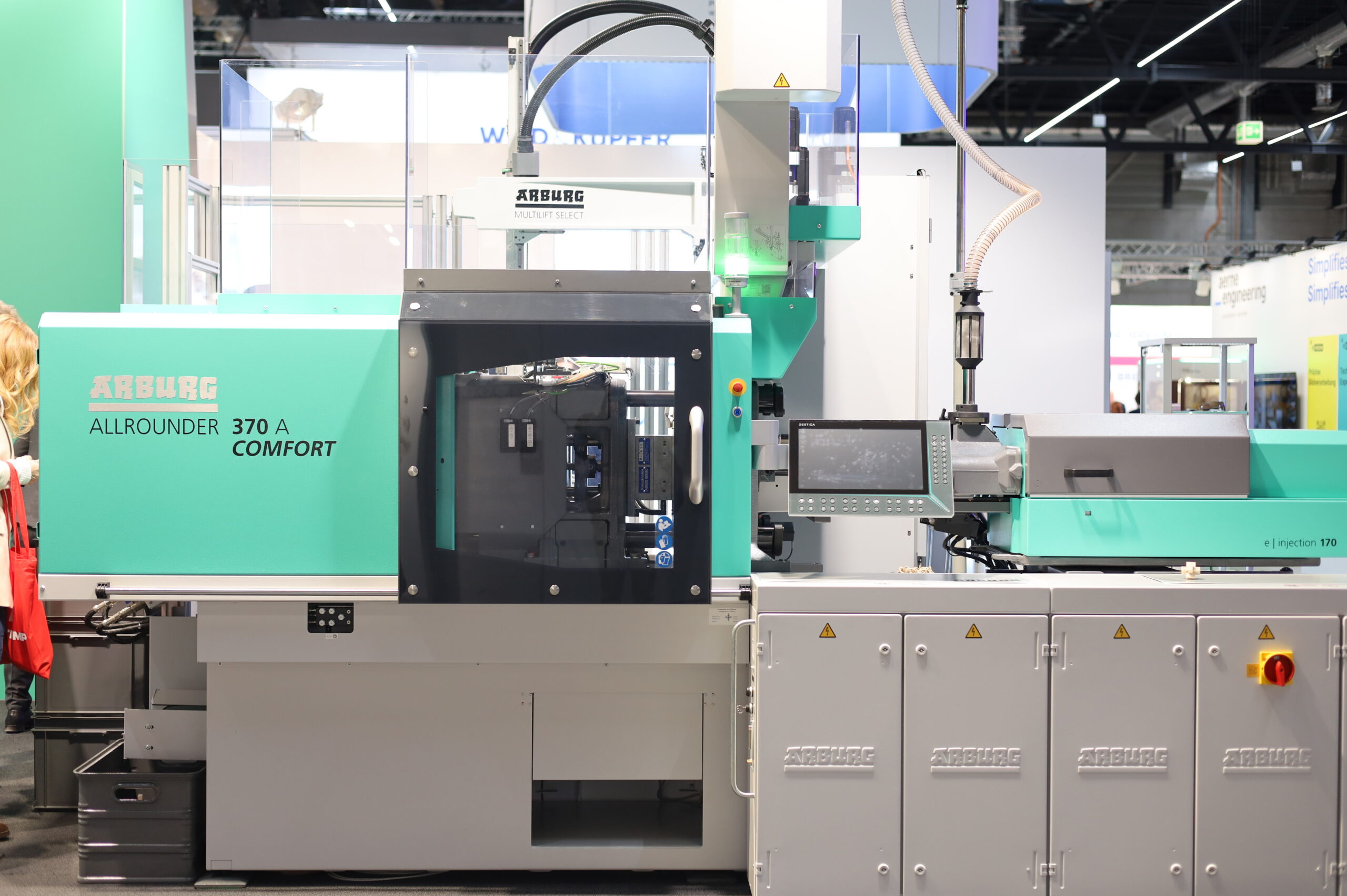
KRAIBURG TPE’s 2026 processing guide groups injection molding, extrusion, and co-extrusion as practical processing routes for TPE. Its injection molding article notes that TPE plastics can be processed on standard injection molding machines for thermoplastics, while also pointing to processing-window and residence-time considerations.
For soft-touch consumer goods, toy-adjacent parts, handles, caps, grips, automotive interior details, and specialty industrial components, overseas buyers are also asking earlier for documentation. The European Commission says stronger toy safety rules that entered into force in December 2025 will require toys placed on the EU market to have a digital product passport with safety and compliance information when the new rules apply from 1 August 2030.
Definition: TPE, TPR, and TPS
KRAIBURG TPE defines thermoplastic elastomers as materials that combine thermoplastic processing behavior with the softness and flexibility of elastomers. The same knowledge page explains that TPEs are heated for processing by injection molding or extrusion and regain elastic properties after cooling.
In buyer language, TPR is often used for rubber-like thermoplastic compounds, especially in footwear, consumer goods, handles, and soft-touch parts. For Jusage discussions, the relevant material path is usually SBS-based TPE/TPR compounding rather than a finished consumer component.
KRAIBURG TPE’s terminology list identifies TPS as thermoplastic styrene block copolymer and lists SBS, SIS, SEBS, SEEPS, and SEPS as SBC types. That is why buyers should specify the finished performance need instead of assuming all styrenic elastomer compounds behave the same way.
Buyer checklist for TPE/TPR overmolding projects
Data sheet numbers need application context
A TPE data sheet can be useful, but it does not replace a molded-part trial. KRAIBURG TPE’s public product finder shows typical fields that buyers may review, including Shore A hardness, density, tensile strength, elongation at break, tear resistance, compression set, and adhesion to substrates such as ABS, PC, and PC/ABS.
The same product-finder notes state that adhesion quality depends on mold design, product geometry, and process parameters. That is a practical reminder for purchasing teams: ask for the test setup and trial construction before comparing numbers from different suppliers.
Where SBS-based TPE/TPR discussions fit Jusage
Jusage SBS materials are relevant when a compounder, converter, or component supplier is formulating TPE/TPR compounds rather than buying a finished overmolding compound. For example, SBS 1301L and SBS 1301H are positioned on the Jusage site for TPE/TPR compounds and related elastomer modification discussions.
Before asking for grade direction, send the substrate, end-use, hardness target, formulation direction, processing method, performance failure mode, and customer document request. This helps separate a general soft-touch request from a specific SBS material conversation.
Quick FAQ
Related Jusage pages
Use these pages to connect TPE/TPR overmolding questions with SBS material direction, application context, data-sheet requests, or a custom inquiry.